If your doctor is checking for diabetes or pre-diabetes, you will likely see two numbers on your report — fasting blood glucose and HbA1c. Most people focus on one and miss the other. Both matter, and they tell very different stories.
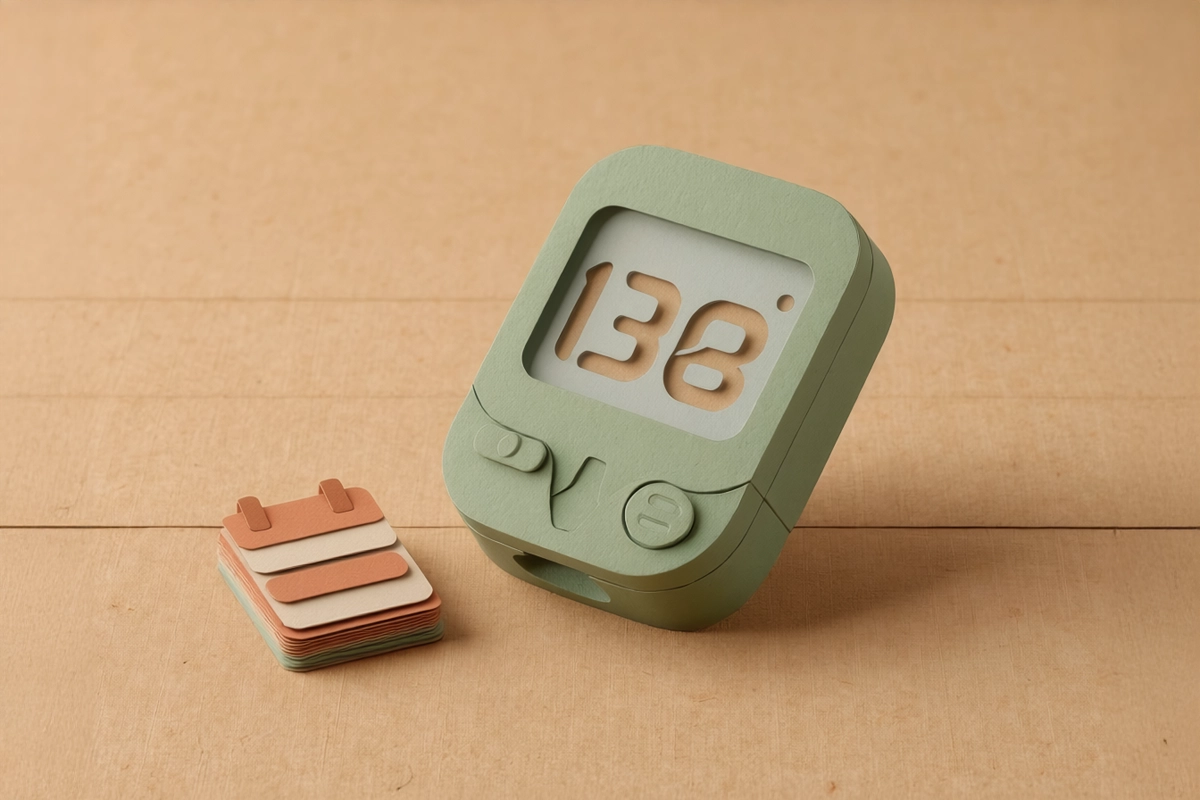
Fasting blood glucose is a snapshot. It measures how much sugar is in your blood at a single moment — specifically after you have not eaten for 8 hours. Normal is below 100 mg/dL. Between 100 and 125 is considered pre-diabetes. 126 or above on two separate tests indicates diabetes. Because it is a single moment reading, it can be affected by stress, poor sleep the night before, or even a late dinner. One high fasting glucose reading is not a diagnosis — it is a signal to investigate further.
HbA1c tells a much longer story. It measures the percentage of haemoglobin in your blood that has glucose attached to it. Because red blood cells live for about three months, HbA1c reflects your average blood sugar over the past 90 days. A single bad day cannot inflate it. A normal HbA1c is below 5.7%. Between 5.7% and 6.4% is pre-diabetes. 6.5% or above on two tests indicates diabetes.
Which matters more? HbA1c is generally considered more reliable for diagnosing and monitoring diabetes because it cannot be manipulated by a single day of careful eating. However fasting glucose is still useful — it can catch spikes that HbA1c might average out. Your doctor will typically look at both together for the most complete picture.
If your HbA1c is creeping up over successive tests — even if it stays within the normal range — that trend is worth discussing with your doctor. Early action makes an enormous difference with blood sugar management.